
Could My Child’s Headaches or Eye Rubbing Be a Sign of a Vision Problem?

Children do not always know how to explain what they are seeing or feeling. Instead of saying their eyes feel strained, they may rub their eyes, avoid reading, complain of headaches, lose focus, or become frustrated with schoolwork. These signs can be easy to mistake for tiredness, behavior issues, or lack of interest, but they may point to an underlying vision problem.
At Texas Vision Therapy, we evaluate how a child’s eyes work together, not just whether they can see clearly on an eye chart.
Clear Eyesight Is Not the Same as Comfortable Vision
A child can have 20/20 eyesight and still struggle with visual function. Reading, writing, copying from the board, using screens, and tracking across a page all require the eyes to focus, move, and team together accurately.
When those skills are not working well, the brain and eyes have to work harder. Over time, that extra effort can lead to headaches, eye rubbing, fatigue, blurry vision, double vision, or avoidance of close-up tasks.
Common Signs of a Pediatric Vision Problem
Some children show obvious symptoms, while others simply try to work around the problem. Parents may notice changes during homework, reading, screen time, or after a full day at school.
Signs to watch for include:
- Frequent headaches, especially after reading or schoolwork
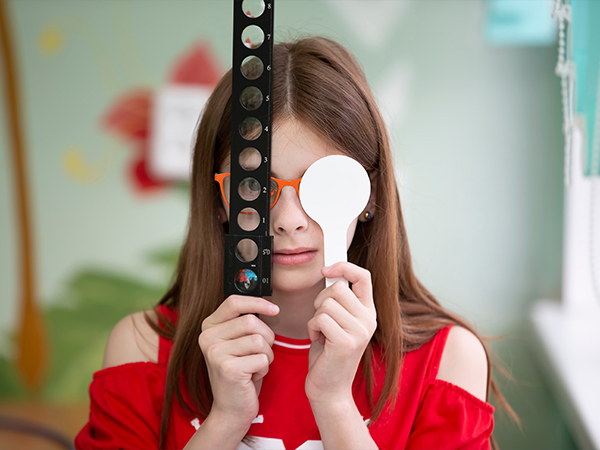
- Eye rubbing, blinking, squinting, or covering one eye
- Losing place while reading
- Skipping words or rereading the same line
- Trouble copying from the board
- Short attention span during close-up work
- Complaints of blurry or double vision
- Avoiding books, homework, or screens
These symptoms do not always mean your child needs glasses. They may also be related to eye teaming, focusing, tracking, or binocular vision issues.
How Vision Problems Can Affect Learning
When visual skills are inefficient, school can feel harder than it should. A child may understand the material but struggle to keep up because reading takes more effort. This can affect confidence, attention, and performance.
At our Houston vision therapy practice, we often see children who are bright and capable but have difficulty with reading comfort, visual stamina, or coordination. Identifying the visual cause can help families understand why the struggle is happening and what can be done to support the child.
What a Vision Therapy Evaluation Looks For
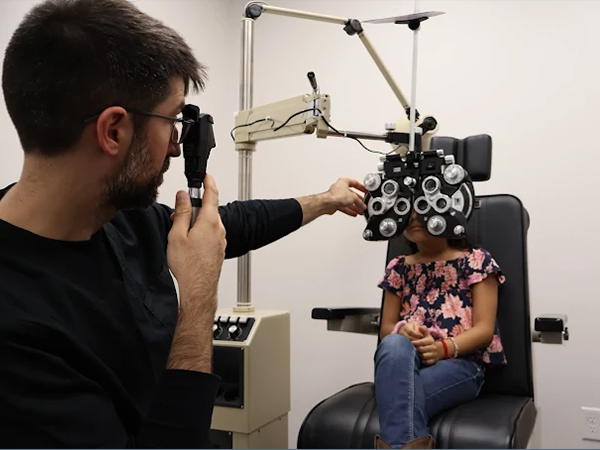
A standard eye exam may check visual clarity and eye health, but a developmental or functional vision evaluation looks deeper at how the visual system performs. We assess skills such as eye tracking, focusing flexibility, depth perception, and how well both eyes work as a team.
If we find a concern, we explain what it means in practical terms and whether vision therapy, lenses, or another treatment option may help. Our goal is to create a plan based on your child’s specific needs.
When to Schedule an Appointment
If your child has frequent headaches, rubs their eyes often, avoids reading, or seems unusually tired after schoolwork, it is worth scheduling a pediatric vision evaluation. Early testing can help uncover problems that may not show up during a basic vision screening.
To schedule an evaluation for your child, contact Texas Vision Therapy in Houston, TX by calling (832) 684-9833.
Conditions We Treat
If you or your child is experiencing any symptoms that lead you to think that your struggles are visual in nature, it's important to take action and seek treatment as soon as possible.
Keep In Touch
Don't wait – contact us today to schedule an appointment and take the necessary steps towards improving your vision and your performance!
Contact Info
Hours of Operation
- Monday 9:00 AM - 6:00 PM
- Tuesday 9:00 AM - 6:00 PM
- Wednesday 9:00 AM - 6:00 PM
- Thursday 9:00 AM - 6:00 PM
- Friday 9:00 AM - 6:00 PM
- Saturday Closed
- Sunday Closed
- Monday
- Tuesday
- Wednesday
- Thursday
- Friday
- Saturday
- Sunday
- Monday
- Tuesday
- Wednesday
- Thursday
- Friday
- Saturday
- Sunday
© 2026 Texas Vision Therapy. All rights Reserved -
Accessibility Statement
-
Privacy Policy
-
Sitemap
Managed and Designed by 