
How Concussions Affect Visual Processing and Focus

A concussion can do more than cause headaches or fatigue. It can also disrupt the way the brain processes visual information. Many people are surprised to learn that after a concussion, the eyes may still be healthy while vision-related skills such as focus, tracking, and coordination are affected. That disconnect can make reading, screen use, schoolwork, and daily tasks much harder than usual.
Why Vision Problems Happen After a Concussion
Vision is not just about seeing clearly. It also depends on how the brain and eyes work together. After a concussion, the communication between these systems can be disrupted. This may affect visual processing, which is the brain’s ability to interpret what the eyes see, and it can also affect focus, eye teaming, and tracking.
Because these changes often happen after a brain injury, people may struggle even if a standard eye chart test seems normal.
Common Post-Concussion Vision Symptoms
When visual processing is affected, symptoms can show up in many ways. Some people notice problems right away, while others only realize something is wrong when they return to work, school, or sports.
Common symptoms may include:
- Blurred or double vision
- Trouble focusing when reading
- Headaches or eyestrain during near work
- Sensitivity to light or screens
- Difficulty tracking words across a page
- Dizziness, motion sensitivity, or poor concentration
These issues can make it harder to stay productive and comfortable throughout the day.
How Visual Processing and Focus Are Connected
Focus is not just a matter of seeing small print. It also involves sustaining attention, shifting between distances, and keeping both eyes aligned on the same target. After a concussion, these visual skills may become inefficient. That can lead to slower reading, losing your place, skipping lines, or feeling mentally drained after short periods of visual work.
For students, this may look like falling behind in class or avoiding homework. For adults, it may show up as difficulty using a computer, driving, or multitasking.
How Neuro-Optometric Rehabilitation Can Help After a Concussion
Neuro-optometric rehabilitation is a customized treatment approach that addresses vision problems caused by a concussion or other brain injury. It focuses on improving how the eyes and brain work together, especially when symptoms affect daily activities such as reading, using screens, concentrating, or moving through busy environments. Neuro-optometric rehabilitation targets functional skills like tracking, focusing, eye teaming, visual processing, and spatial awareness.
Dr. Chelette evaluates how concussion-related visual changes are affecting everyday performance and develops a treatment plan based on each patient’s specific needs. This care is designed to address the underlying visual disruptions that may occur after a concussion, even when a routine eye exam does not reveal a major problem.
For many patients, neuro-optometric rehabilitation can help improve reading stamina, screen tolerance, concentration, balance, and overall visual comfort. Recovery looks different for everyone, but the goal is to support more efficient visual function and make daily tasks feel more manageable over time.
Take the Next Step Toward Visual Recovery
If concussion symptoms include reading problems, eyestrain, dizziness, blurred vision, or trouble focusing, a specialised visual evaluation may be an important next step. These symptoms are often overlooked or mistaken for general post-concussion fatigue, but they may point to treatable visual dysfunction.
Schedule a consultation at Texas Vision Therapy to learn more about neuro-optometric rehabilitation for concussion-related vision problems. Contact our office in Houston, TX, by calling (832) 684-9833 to book an appointment today.
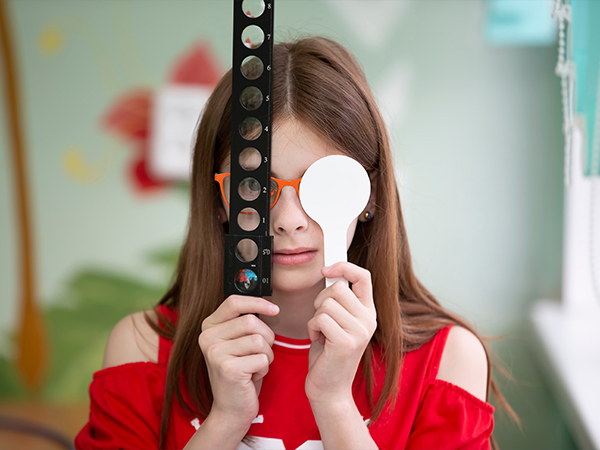
Conditions We Treat
If you or your child is experiencing any symptoms that lead you to think that your struggles are visual in nature, it's important to take action and seek treatment as soon as possible.
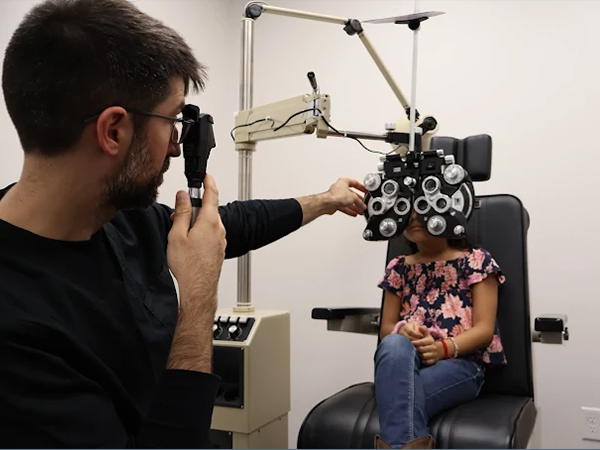
Keep In Touch
Don't wait – contact us today to schedule an appointment and take the necessary steps towards improving your vision and your performance!
Contact Info
Hours of Operation
- Monday 9:00 AM - 6:00 PM
- Tuesday 9:00 AM - 6:00 PM
- Wednesday 9:00 AM - 6:00 PM
- Thursday 9:00 AM - 6:00 PM
- Friday 9:00 AM - 6:00 PM
- Saturday Closed
- Sunday Closed
- Monday
- Tuesday
- Wednesday
- Thursday
- Friday
- Saturday
- Sunday
- Monday
- Tuesday
- Wednesday
- Thursday
- Friday
- Saturday
- Sunday
© 2026 Texas Vision Therapy. All rights Reserved -
Accessibility Statement
-
Privacy Policy
-
Sitemap
Managed and Designed by 