
Transforming Children's Development Through Vision Therapy: A Unique Approach to Pediatric Care

As healthcare professionals working with children, we're constantly seeking the most effective interventions to help young patients reach their full potential. While various therapeutic approaches offer valuable benefits, vision therapy stands apart in its distinctive methodology, one that fundamentally differs from other pediatric therapies in how it addresses both input and output systems.
The Input Revolution: Changing What the Brain Experiences
What makes vision therapy truly unique is our ability to modify the sensory input itself. Unlike traditional occupational therapy, which works within the constraints of the child's existing visual world, vision therapy actively transforms what the child experiences at the most fundamental level.
Through the strategic use of lenses, prisms, red-green filters, and polarized 3-D equipment, we create entirely novel visual environments. We're not simply asking children to adapt to their current reality, we're presenting their brains with new realities to process. This is a profound distinction. When a child looks through therapeutic lenses or prisms, they're not seeing the same world differently; they're literally experiencing a different visual world.
Consider the implications of this approach. The brain is remarkably plastic, especially in childhood, but it can only reorganize based on the information it receives. By controlling and manipulating the visual input through specialized equipment, we provide the brain with experiences it has never had before. This opens neural pathways and processing patterns that simply cannot be accessed when working within the limitations of the child's unmodified visual experience.
No other pediatric therapy possesses this capability to such a degree. We can present a child with a visual challenge that exists nowhere in their natural environment, carefully calibrated to their specific developmental needs. The red-green anaglyphic systems allow us to present different images to each eye simultaneously. Polarized 3-D equipment lets us create depth relationships that challenge and develop binocular coordination in ways impossible in the real world. Prisms shift spatial relationships, forcing the brain to recalibrate its understanding of where objects exist in space.
The Output Difference: Cognition Over Compensation
The output side of vision therapy is equally distinctive. While many therapies focus on muscle training or teaching specific motor skills, vision therapy works at the cognitive level. We're not teaching muscles what to do and practicing that until the motor planning for those movements are set in stone. We're instead teaching brains how to interpret, process, and respond to the world in which the child finds themselves.
When a child engages in a vision therapy activity, they're presented with a novel visual problem within this modified sensory environment. The task isn't to perform a predetermined movement or complete a specific real-world skill. Instead, the child must interpret what they're seeing, think about what's being asked, and formulate an appropriate response. This is cognitive work, not muscular work.
This cognitive focus means we're building fundamental processing abilities rather than training specific behaviors. We don't teach a child how to ride a bicycle or how to hold scissors correctly. Those are valuable skills, but they're application-specific. Instead, we develop the underlying visual-cognitive abilities that support not just those activities, but thousands of others throughout life.
Global Applicability: Building Universal Foundations
This distinction between specific skill training and fundamental ability development cannot be overstated. When we improve a child's ability to process binocular information, we're not just helping them improve their convergence or divergence ranges; on the contrary, we're enhancing their performance across every activity in their life that requires depth perception. When we develop their visual-motor integration at a cognitive level, we're not teaching them one coordinated movement; we're improving their capacity for all coordinated movements. Remember, vision as an information processing system comprises more than 50% of the brain's neural real estate.
The feedback loop in vision therapy is also unique. Because we control the input and work with cognitive output, we can adjust the challenge in real-time based on each child's responses. If a child is struggling, we modify the visual environment they're experiencing. If they're succeeding, we increase the complexity of the visual world we present. This dynamic relationship between modified input and cognitive output creates a therapeutic environment that's continuously optimized for each individual child.
The Clinical Implications
For parents and referring professionals, this distinction matters enormously. Vision therapy isn't competing with occupational therapy or other interventions; it's addressing a different layer of function. While other therapies might teach a child how to perform specific tasks within their existing visual capabilities, vision therapy expands those capabilities at their source.
The child who completes vision therapy doesn't just get better at the activities practiced in the therapy room. They experience the entire visual world differently. They process spatial relationships more accurately. They integrate information from both eyes more effectively. They coordinate visual input with motor output more efficiently. These improvements transfer to every visual task they encounter, from reading to sports to social interactions.
Vision therapy represents a paradigm shift in how we approach pediatric development. By uniquely addressing both input through modified sensory experiences and output through cognitive processing, we're not just accommodating a child's current abilities - we're expanding them. We're not teaching specific skills, we're building universal foundations. In a field where we're always seeking the most impactful interventions for children, vision therapy's distinctive approach to input and output offers something truly irreplaceable.
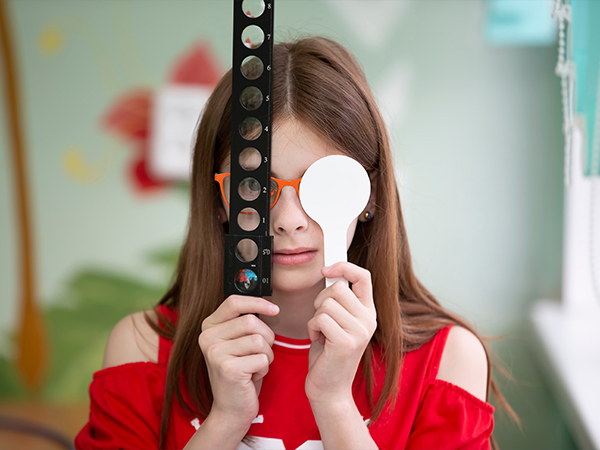
Conditions We Treat
If you or your child is experiencing any symptoms that lead you to think that your struggles are visual in nature, it's important to take action and seek treatment as soon as possible.
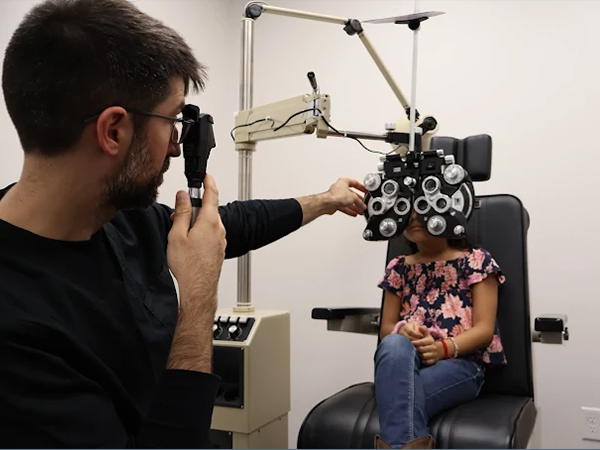
Keep In Touch
Don't wait – contact us today to schedule an appointment and take the necessary steps towards improving your vision and your performance!
Contact Info
Hours of Operation
- Monday 9:00 AM - 6:00 PM
- Tuesday 9:00 AM - 6:00 PM
- Wednesday 9:00 AM - 6:00 PM
- Thursday 9:00 AM - 6:00 PM
- Friday 9:00 AM - 6:00 PM
- Saturday Closed
- Sunday Closed
- Monday
- Tuesday
- Wednesday
- Thursday
- Friday
- Saturday
- Sunday
- Monday
- Tuesday
- Wednesday
- Thursday
- Friday
- Saturday
- Sunday
© 2026 Texas Vision Therapy. All rights Reserved -
Accessibility Statement
-
Privacy Policy
-
Sitemap
Managed and Designed by 