
What Does It Mean If My Child Hates Reading or Says the Words Move on the Page?

When a child avoids reading, loses their place, or says the words look like they’re “moving,” it’s often more than disinterest. Many children struggle because their visual system isn’t working efficiently. At Texas Vision Therapy, Dr. Chelette frequently evaluates bright, capable kids who dislike reading because their eyes can’t comfortably coordinate at near distances. One of the most common causes is convergence insufficiency.
Why Reading Feels Hard
Reading requires more than clear vision. The eyes must aim at the same point, track smoothly across the page, and stay focused up close. When these visual skills don’t function properly, reading becomes physically tiring. Children may experience:
• Words that jump, blur, or appear to move
• Eye strain or headaches with homework
• Difficulty maintaining place in a sentence
• Slow reading speed or poor comprehension
• Avoidance of reading altogether
These are hallmark signs of a binocular vision issue, especially convergence insufficiency.
What Is Convergence Insufficiency?
Convergence insufficiency (CI) occurs when the eyes struggle to work together at near distances. Instead of teaming smoothly, the eyes drift outward, causing unstable or double vision. A child may describe this as the words “sliding,” “floating,” or not staying still. Because standard vision screenings don’t test eye-teaming skills, CI often goes undetected for years.
Dr. Chelette performs specialized binocular vision testing to identify problems with tracking, focusing, and eye teaming - skills essential for efficient reading.
When to Seek an Evaluation
If your child dislikes reading, loses their place frequently, complains of headaches, or says the words move on the page, a binocular vision evaluation is the next step. Identifying and treating the problem early can make learning far less frustrating.
How Vision Therapy Helps
The encouraging news is that CI is treatable. Through customized vision therapy in Houston, Dr. Chelette uses targeted, evidence-based activities to strengthen visual coordination and improve near-focus stamina. As the eyes learn to work together, children often experience:
• Clear, stable words on the page
• Increased reading comfort and endurance
• Better comprehension
• Improved confidence in school
• A greater willingness to read
Parents frequently notice meaningful changes within weeks as visual skills start to strengthen.
Help Your Child Read With Confidence
A child’s struggle with reading is often rooted in an unseen visual skills issue—not a lack of motivation. Convergence insufficiency and other binocular vision disorders can make reading uncomfortable and confusing, but targeted vision therapy can resolve the underlying problem and help your child thrive.
If your child shows signs of visual strain or reading difficulty, schedule a consultation at Texas Vision Therapy and learn whether vision therapy is the solution your child needs. Visit our office in Houston, Texas, or call (832) 684-9833 to book an appointment today.
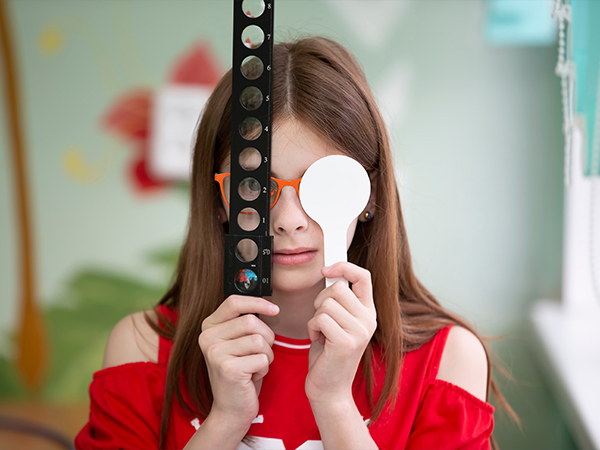
Conditions We Treat
If you or your child is experiencing any symptoms that lead you to think that your struggles are visual in nature, it's important to take action and seek treatment as soon as possible.
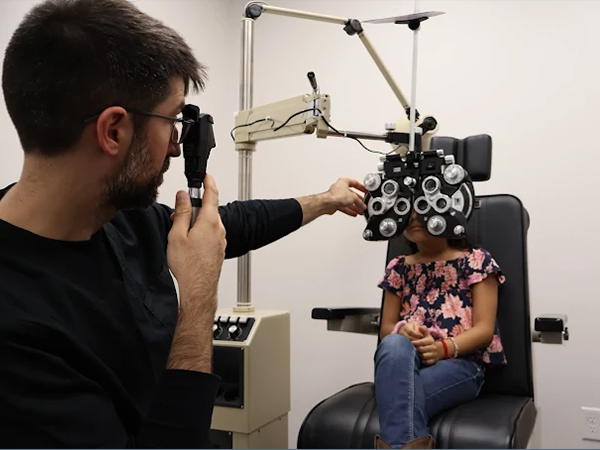
Keep In Touch
Don't wait – contact us today to schedule an appointment and take the necessary steps towards improving your vision and your performance!
Contact Info
Hours of Operation
- Monday 9:00 AM - 6:00 PM
- Tuesday 9:00 AM - 6:00 PM
- Wednesday 9:00 AM - 6:00 PM
- Thursday 9:00 AM - 6:00 PM
- Friday 9:00 AM - 6:00 PM
- Saturday Closed
- Sunday Closed
- Monday
- Tuesday
- Wednesday
- Thursday
- Friday
- Saturday
- Sunday
- Monday
- Tuesday
- Wednesday
- Thursday
- Friday
- Saturday
- Sunday
© 2026 Texas Vision Therapy. All rights Reserved -
Accessibility Statement
-
Privacy Policy
-
Sitemap
Managed and Designed by 